


The Beauty of the "Straight Run": Why We Don't Sex Our Chicks
- Mrs. Hennery
- Jan 17
- 5 min read
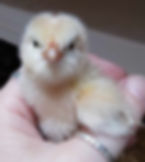
When you choose "Straight Run" chicks, it’s often because the actual physical process of sexing a day-old bird is far more invasive and complex than most people realize. While it’s a standard industry practice, we choose to skip it to prioritize the health and safety of our birds. Here is a closer look at the technical—and often stressful—process of sexing a chick.
The Reality of Vent Sexing: A Delicate Operation
The most common method for sexing breeds that aren't "color-coded" by nature is Vent Sexing. It isn't just a quick glance; it is a high-speed manual procedure that involves intense physical handling.
1. The "Clearance" Squeeze
Before a sexer can see anything, they must first clear the chick's system. The chick is held in one hand and given a firm but careful squeeze to force it to expel its first fecal matter. This is necessary to ensure the vent (cloaca) is clear for inspection, but it is undoubtedly a stressful start to a chick's life outside the egg.
2. The Manipulation
(Eversion)
Because a bird's reproductive organs are internal, the sexer must physically evert the vent—essentially turning the rectal opening slightly inside out.
This is done by applying specific pressure with the thumb and forefinger.
Done incorrectly, this can cause prolapse, internal bruising, or permanent injury to the chick’s delicate anatomy.
3. The Anatomical Puzzle
Once the vent is open, the sexer is looking for a tiny, microscopic "pimple" or eminence.
The Confusion: Male chicks usually have this bump, but 40% of female chicks also have a similar-looking protuberance.
The Complexity: There are over 15 different shapes of these organs. Distinguishing a "male" bump from a "female" fold takes years of tactile memory and a highly trained eye.
Why We Choose Not to Do It
We believe the "Straight Run" approach is better for the birds and the keepers for three main reasons:
Minimizing Trauma: Day-old chicks are incredibly fragile. Skipping the squeeze and the manual eversion of their internal organs allows them to focus their energy on staying warm and finding their first sip of water.
Avoiding the "90% Trap": Even professional sexers rarely guarantee 100% accuracy. Because the anatomy is so ambiguous, many "pullets" end up being "surprise roosters" anyway. We prefer to be honest about the 50/50 nature of a hatch.
Preserving Natural Vitality: For heritage breeds, sexing isn't a "natural" part of the process. By letting them grow out, we allow their secondary sex characteristics (combs, wattles, and feathers) to develop naturally at 6–12 weeks without any invasive handling.
The Bottom Line: Vent sexing is an industrial solution for a high-volume market. On a smaller, more holistic scale, we believe the risk of injuring a chick just to know its gender a few weeks early isn't worth the trade-off.Here is a closer look at the technical—and often stressful—process of sexing a chick. The Reality of Vent Sexing: A Delicate Operation The most common method for sexing breeds that aren't "color-coded" by nature is Vent Sexing. It isn't just a quick glance; it is a high-speed manual procedure that involves intense physical handling. 1. The "Clearance" Squeeze Before a sexer can see anything, they must first clear the chick's system. The chick is held in one hand and given a firm but careful squeeze to force it to expel its first fecal matter. This is necessary to ensure the vent (cloaca) is clear for inspection, but it is undoubtedly a stressful start to a chick's life outside the egg. 2. The Manipulation (Eversion) Because a bird's reproductive organs are internal, the sexer must physically evert the vent—essentially turning the rectal opening slightly inside out. This is done by applying specific pressure with the thumb and forefinger. Done incorrectly, this can cause prolapse, internal bruising, or permanent injury to the chick’s delicate anatomy. 3. The Anatomical Puzzle Once the vent is open, the sexer is looking for a tiny, microscopic "pimple" or eminence. The Confusion: Male chicks usually have this bump, but 40% of female chicks also have a similar-looking protuberance. The Complexity: There are over 15 different shapes of these organs. Distinguishing a "male" bump from a "female" fold takes years of tactile memory and a highly trained eye. Why We Choose Not to Do It We believe the "Straight Run" approach is better for the birds and the keepers for three main reasons: Minimizing Trauma: Day-old chicks are incredibly fragile. Skipping the squeeze and the manual eversion of their internal organs allows them to focus their energy on staying warm and finding their first sip of water. Avoiding the "90% Trap": Even professional sexers rarely guarantee 100% accuracy. Because the anatomy is so ambiguous, many "pullets" end up being "surprise roosters" anyway. We prefer to be honest about the 50/50 nature of a hatch. Preserving Natural Vitality: For heritage breeds, sexing isn't a "natural" part of the process. By letting them grow out, we allow their secondary sex characteristics (combs, wattles, and feathers) to develop naturally at 6–12 weeks without any invasive handling. The Bottom Line: Vent sexing is an industrial solution for a high-volume market. On a smaller, more holistic scale, we believe the risk of injuring a chick just to know its gender a few weeks early isn't worth the trade-off.
is a closer look at the technical—and often stressful—process of sexing a chick. The Reality of Vent Sexing: A Delicate Operation The most common method for sexing breeds that aren't "color-coded" by nature is Vent Sexing. It isn't just a quick glance; it is a high-speed manual procedure that involves intense physical handling. 1. The "Clearance" Squeeze Before a sexer can see anything, they must first clear the chick's system. The chick is held in one hand and given a firm but careful squeeze to force it to expel its first fecal matter. This is necessary to ensure the vent (cloaca) is clear for inspection, but it is undoubtedly a stressful start to a chick's life outside the egg. 2. The Manipulation (Eversion) Because a bird's reproductive organs are internal, the sexer must physically evert the vent—essentially turning the rectal opening slightly inside out. This is done by applying specific pressure with the thumb and forefinger. Done incorrectly, this can cause prolapse, internal bruising, or permanent injury to the chick’s delicate anatomy. 3. The Anatomical Puzzle Once the vent is open, the sexer is looking for a tiny, microscopic "pimple" or eminence. The Confusion: Male chicks usually have this bump, but 40% of female chicks also have a similar-looking protuberance. The Complexity: There are over 15 different shapes of these organs. Distinguishing a "male" bump from a "female" fold takes years of tactile memory and a highly trained eye. Why We Choose Not to Do It We believe the "Straight Run" approach is better for the birds and the keepers for three main reasons: Minimizing Trauma: Day-old chicks are incredibly fragile. Skipping the squeeze and the manual eversion of their internal organs allows them to focus their energy on staying warm and finding their first sip of water. Avoiding the "90% Trap": Even professional sexers rarely guarantee 100% accuracy. Because the anatomy is so ambiguous, many "pullets" end up being "surprise roosters" anyway. We prefer to be honest about the 50/50 nature of a hatch. Preserving Natural Vitality: For heritage breeds, sexing isn't a "natural" part of the process. By letting them grow out, we allow their secondary sex characteristics (combs, wattles, and feathers) to develop naturally at 6–12 weeks without any invasive handling. The Bottom Line: Vent sexing is an industrial solution for a high-volume market. On a smaller, more holistic scale, we believe the risk of injuring a chick just to know its gender a few weeks early isn't worth the trade-off.
you choose "Straight Run" chicks, it’s often because the actual physical process of sexing a day-old bird is far more invasive and complex than most people realize. While it’s a standard industry practice, we choose to skip it to prioritize the health and safety of our birds.